Eight state laws reshaping what's possible on single-family and multifamily parcels across California. Scroll to explore each one.
California state housing laws are a set of statutes that override local zoning to allow more housing than a city or county's own rules would otherwise permit. Under these laws, property owners can often build significantly more units on a parcel than local zoning allows — and because the laws require ministerial approval, cities must approve qualifying projects without discretionary review or community hearings. Many of these pathways also come with reduced or eliminated parking requirements, making denser infill development more financially viable. Each section below covers one law: the text box overlaid on the video summarizes its key rules, and the diagrams show before-and-after examples for a typical lot in the relevant zone. Scroll through to explore what each law makes possible.
Senate Bill (SB) 9, Urban Lot Splits
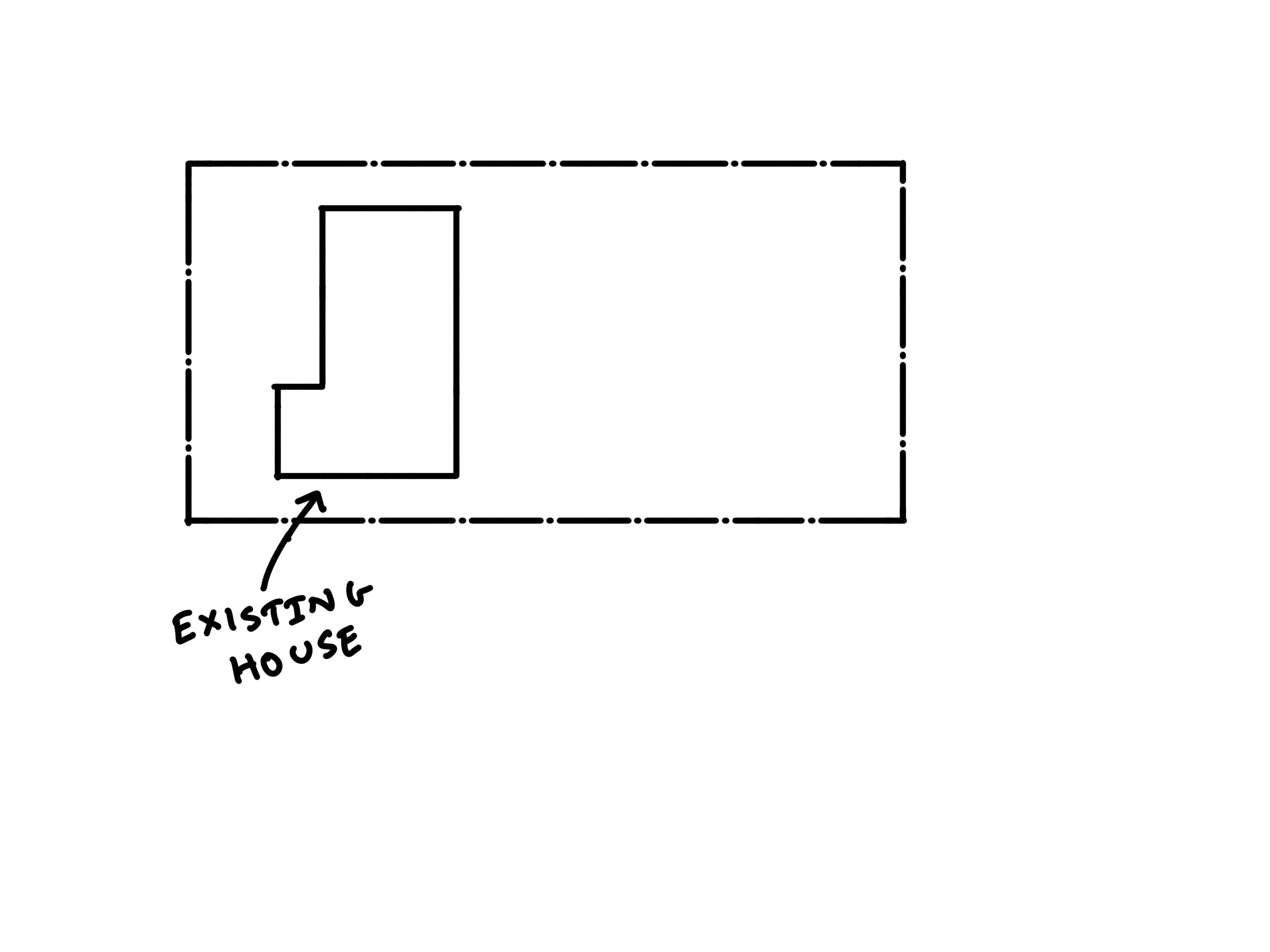
Existing single-family lot
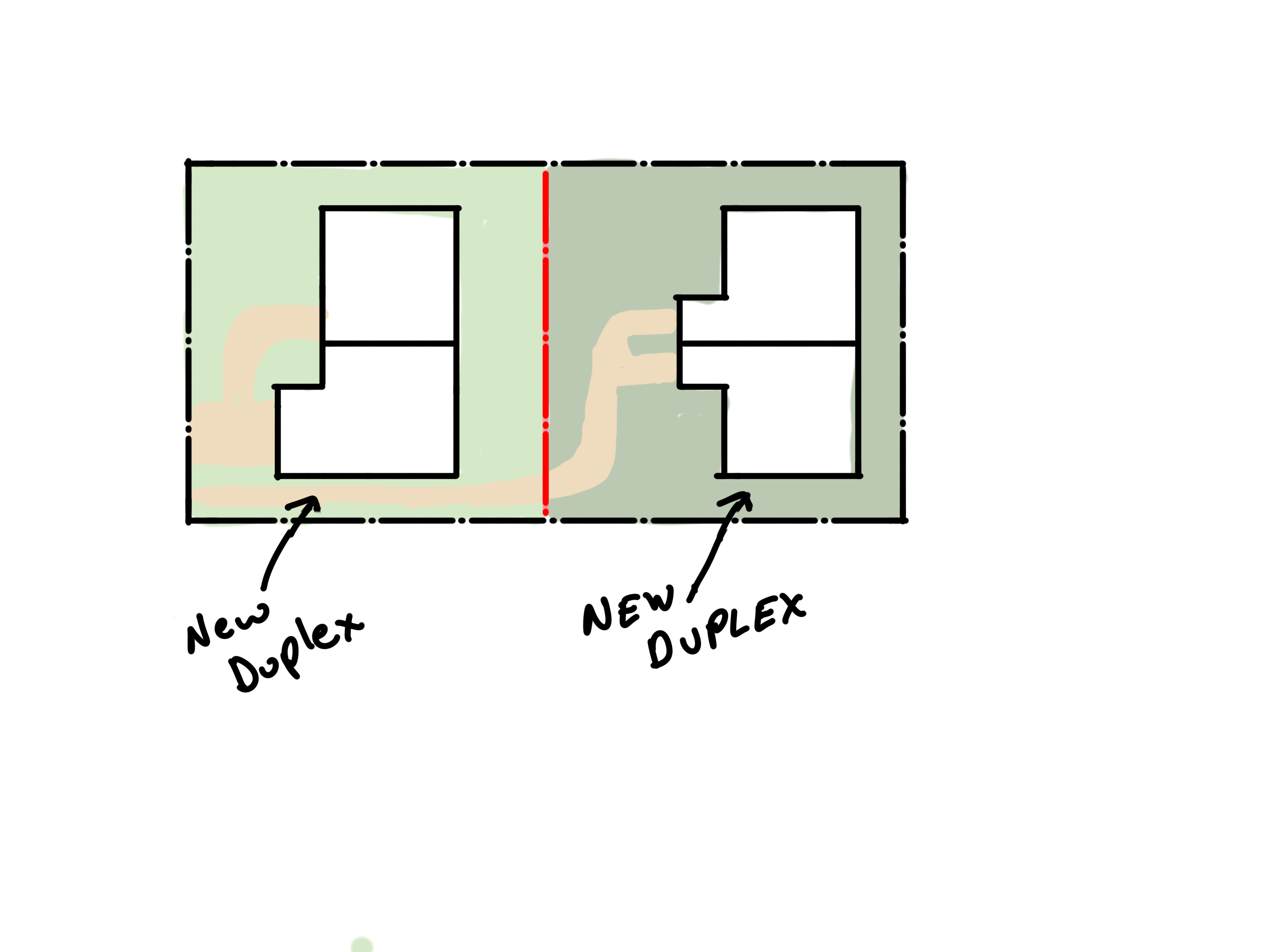
After urban lot split: two duplexes, four units
SB 9
Requires ministerial approval of single-family homes and duplexes and/or urban lot splits on single-family zoned parcels. Allows up to four residences per R-1 lot (i.e., two duplexes on two lots). SB 450 (2024) removed additional barriers, but there's more to do.
Keep scrolling
ADU Law, Single-Family
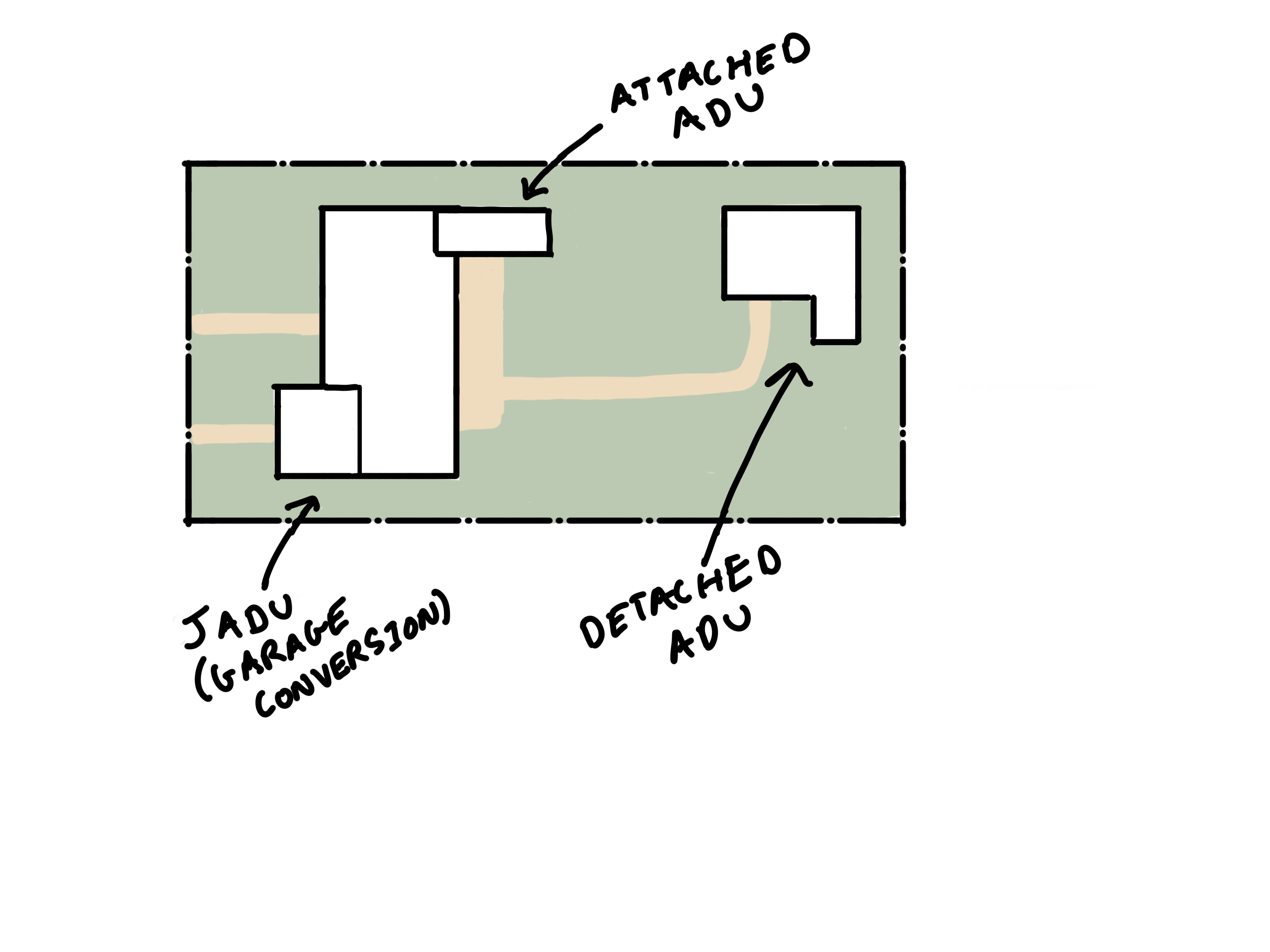
Existing single-family lot
After: attached conversion ADU + detached new construction ADU
ADU Law
Local agencies must adopt an ADU ordinance meeting certain criteria and approve ADUs meeting certain state standards:
1 attached/conversion ADU and 1 Junior ADU (<500 sf)
1 detached new construction ADU
Keep scrolling
SB 1123, Starter Home Revitalization Act Single-Family
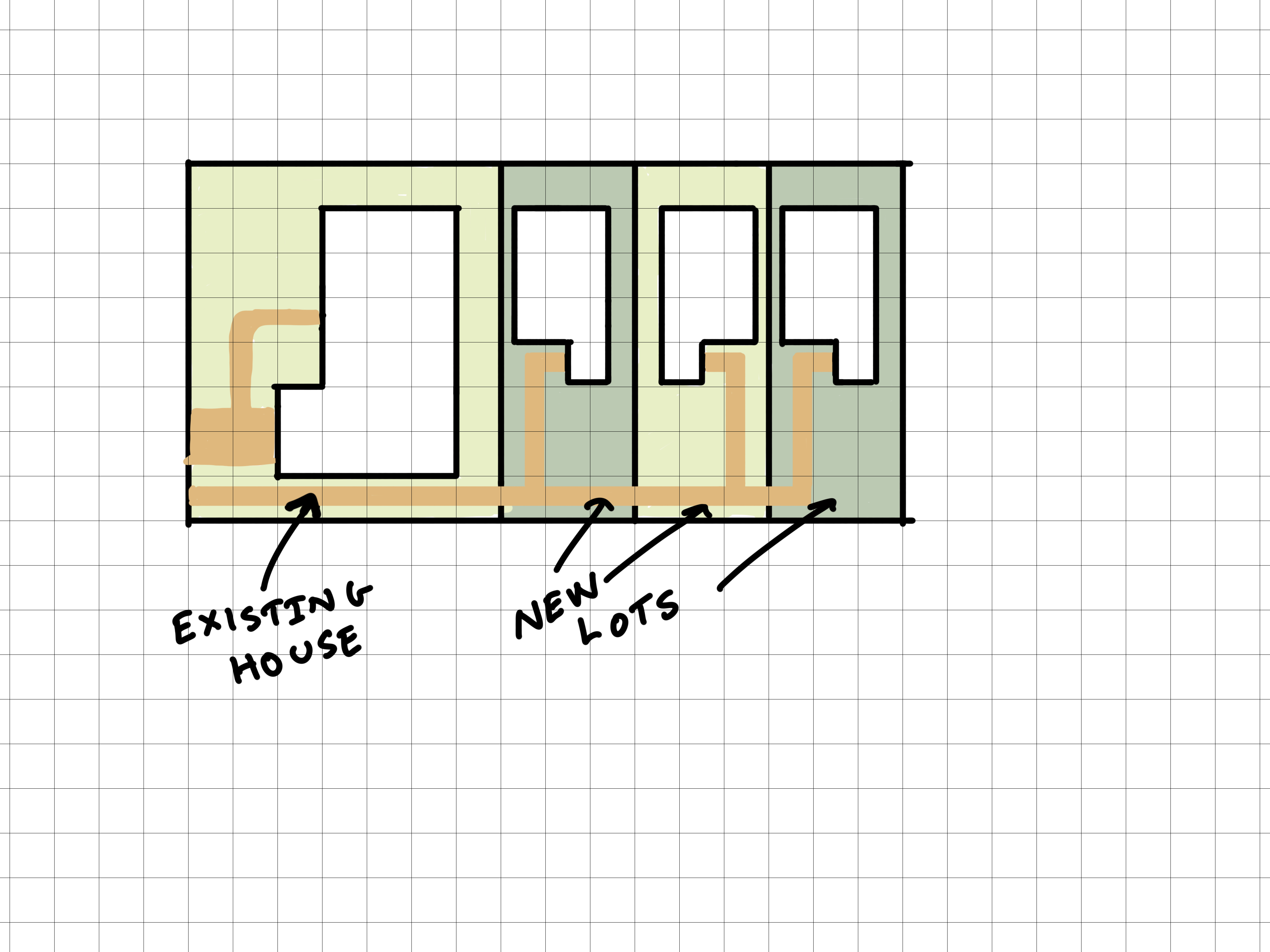
Qualifying vacant R-1 parcel
After ministerial subdivision: starter homes with ADUs
SB 1123 Starter Home Revitalization Act — Single-Family
Local agencies must ministerially approve residential subdivisions of up to 10 parcels on vacant single-family zoned parcels up to 1.5 acres meeting certain criteria.
Resulting parcels must be >1,200 sf in single-family zones
Requires ministerial approval of residential projects meeting certain infill criteria on land owned by either an independent higher education or religious institution.
Projects must be 100% affordable to low income households (with up to 20% of units for moderate income)
Also allows childcare facilities
Keep scrolling
SB 1211, ADU Law, Multi-Family
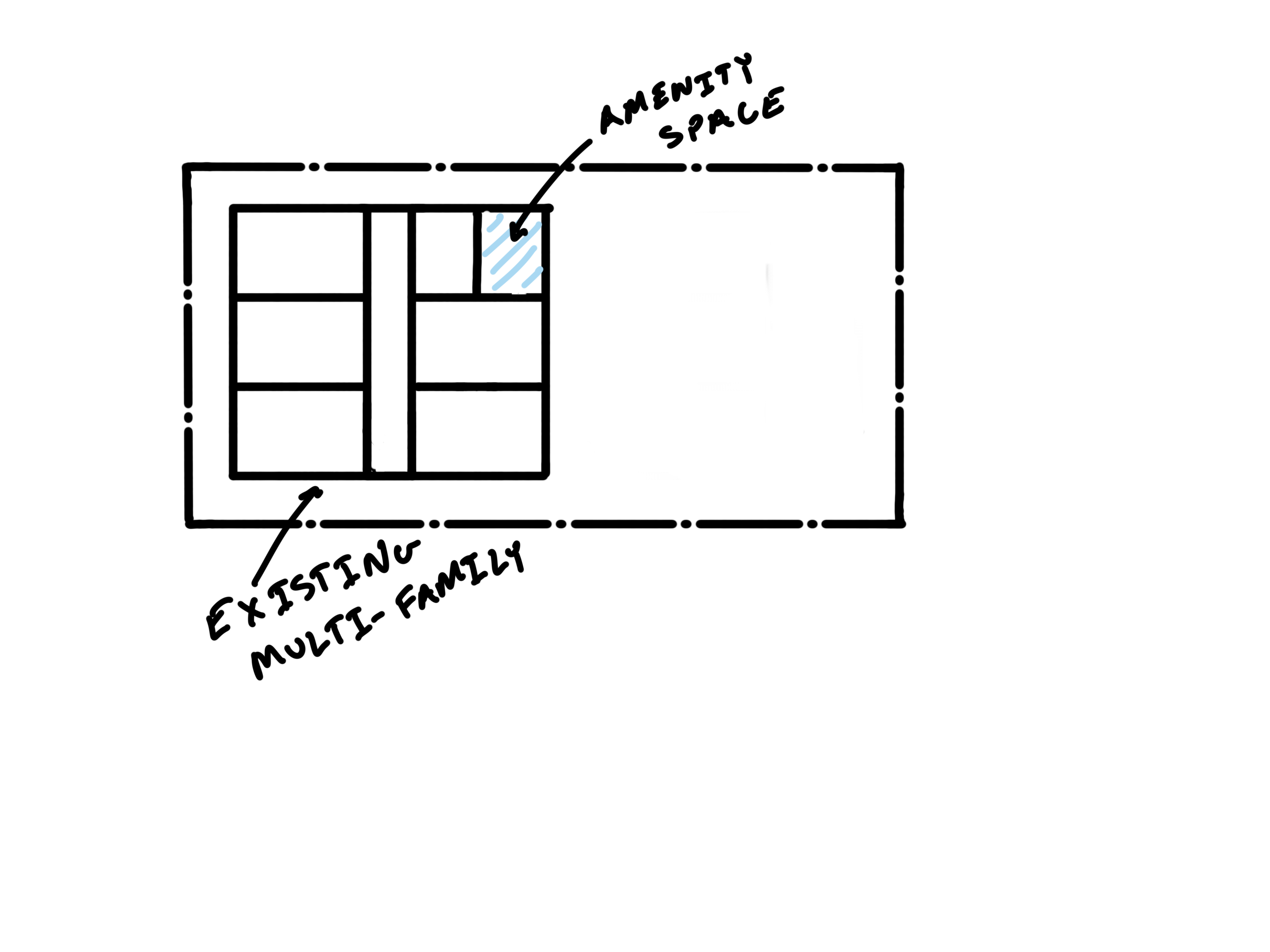
Existing multifamily site with surface parking
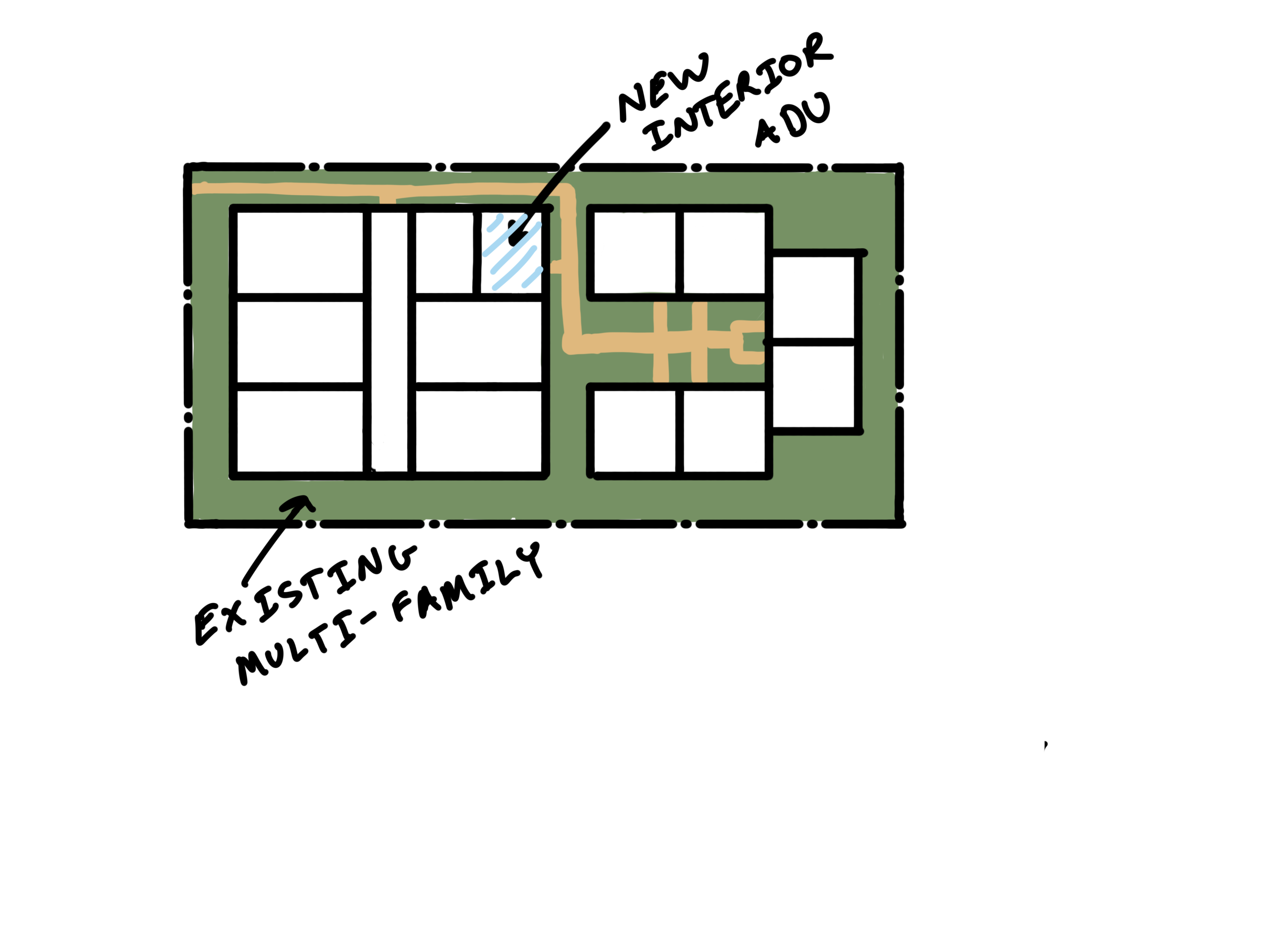
Detached ADUs added to underutilized surface parking
SB 1211 ADU Multi-Family
Development can match the number of existing units with up to 8 detached ADUs, and conversion of non-livable space for up to 25% of the existing units to create a new interior ADU.
Keep scrolling
SB 1211 ADU Multi-Family
Keep scrolling
SB 684, Starter Home Revitalization Act Multi-Family
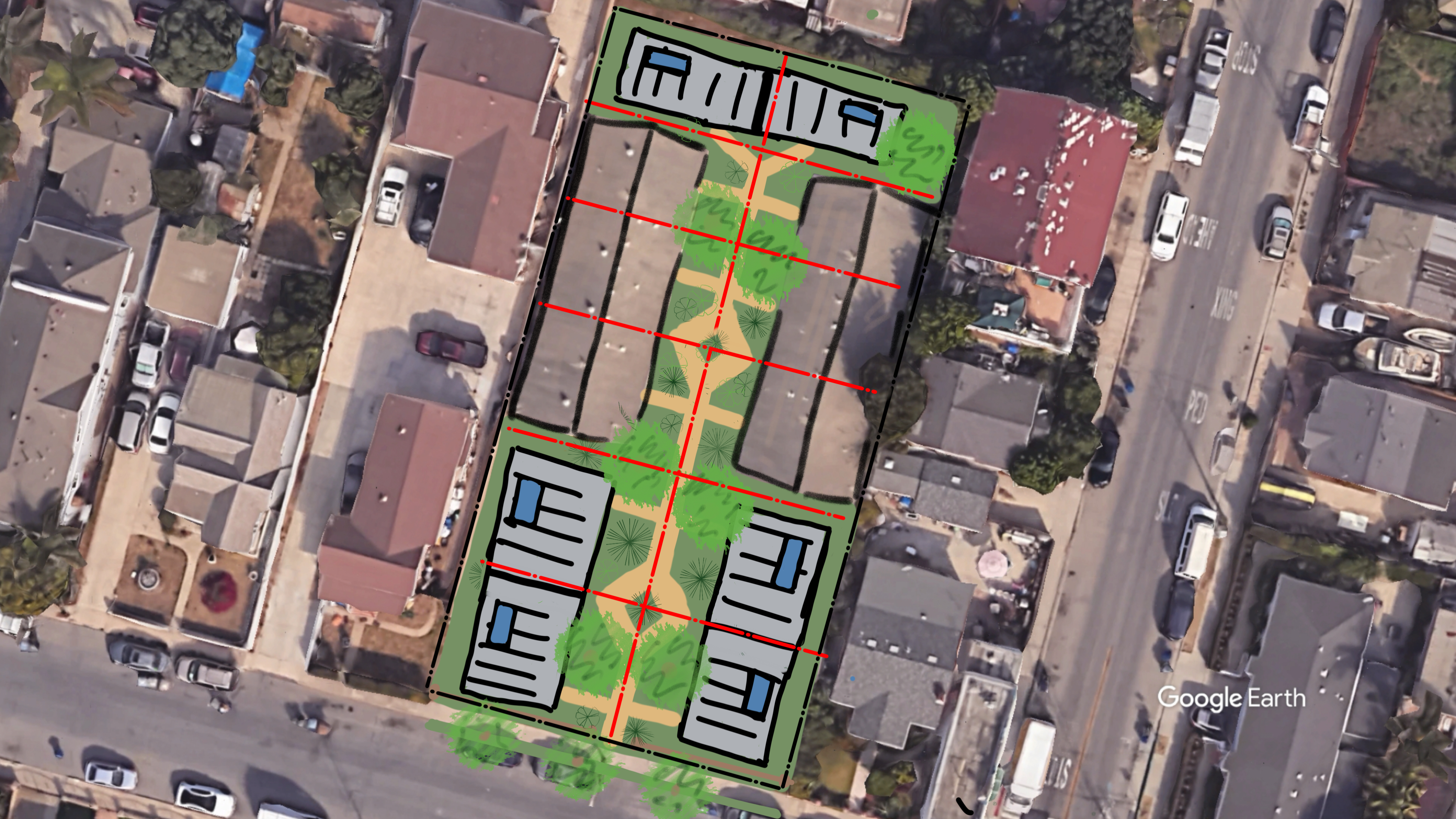
Local agencies must ministerially review subdivisions of up to 10 parcels on qualifying multi-family zoned parcels up to 5 acres.
Resulting parcels must be >600 sf in multi-family zones
SHRA Multi-Family: ministerial subdivision on qualifying multifamily-zoned parcels
Density Bonus Law
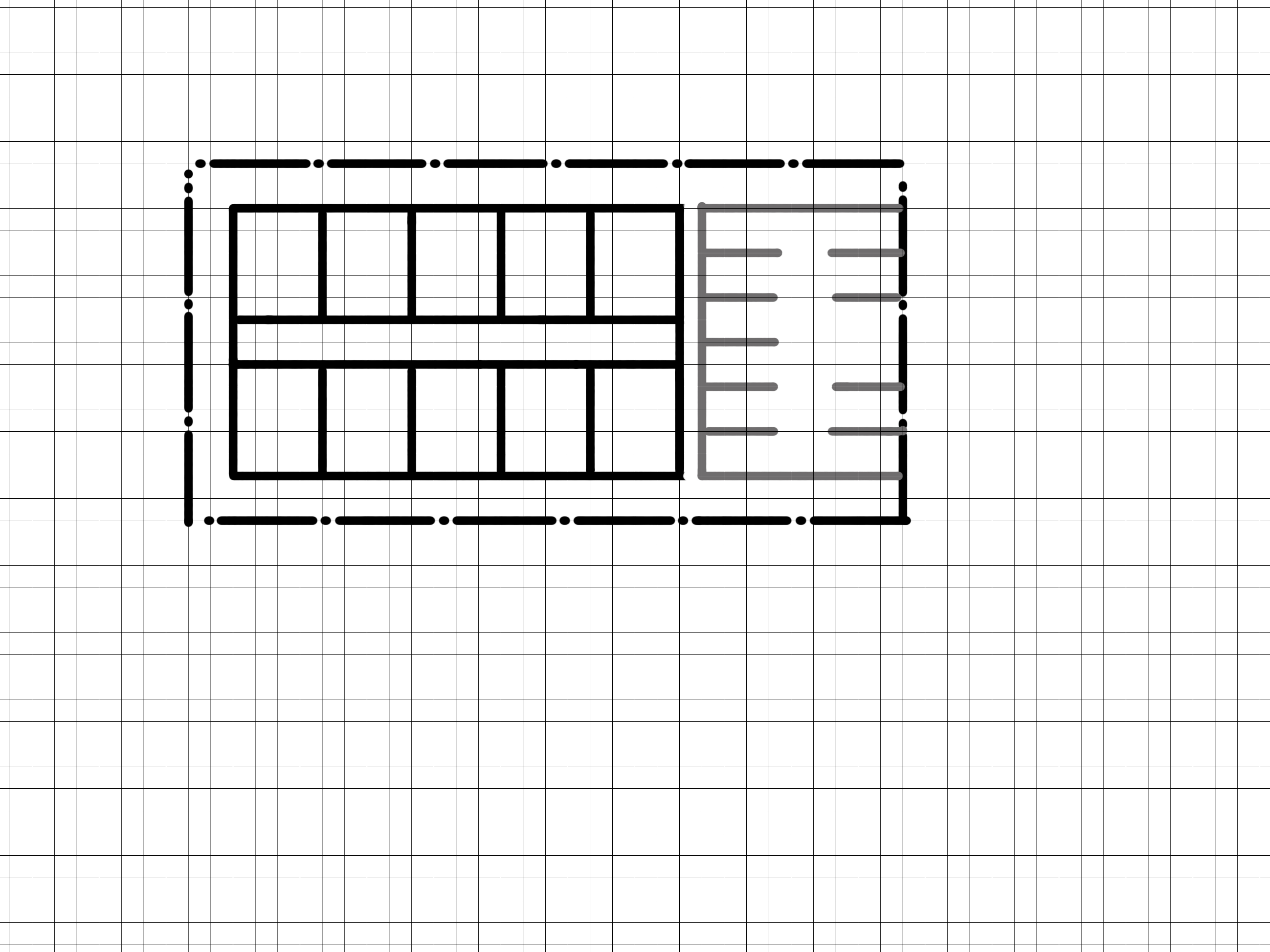
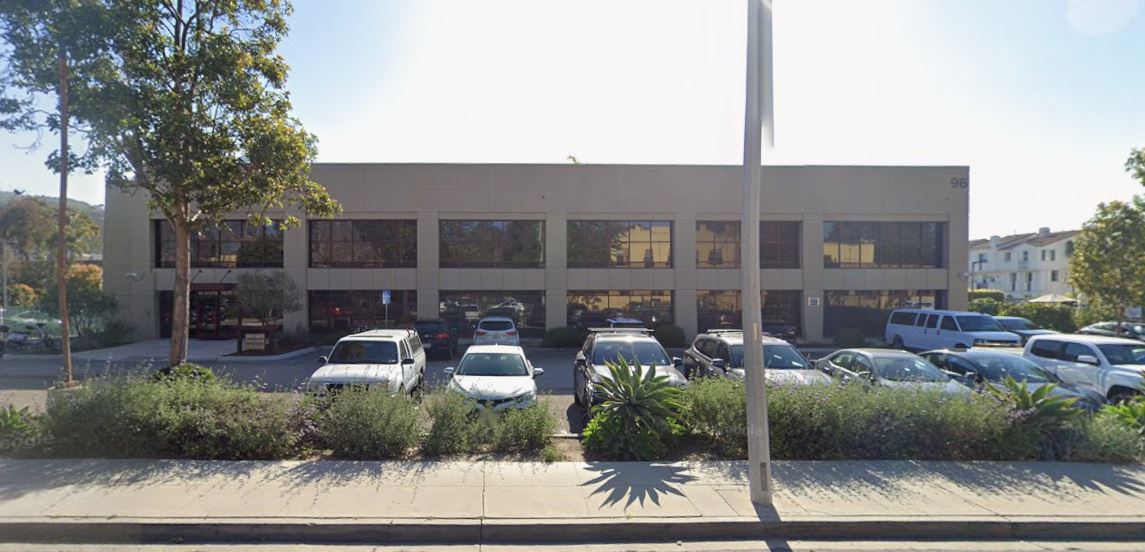
Existing site
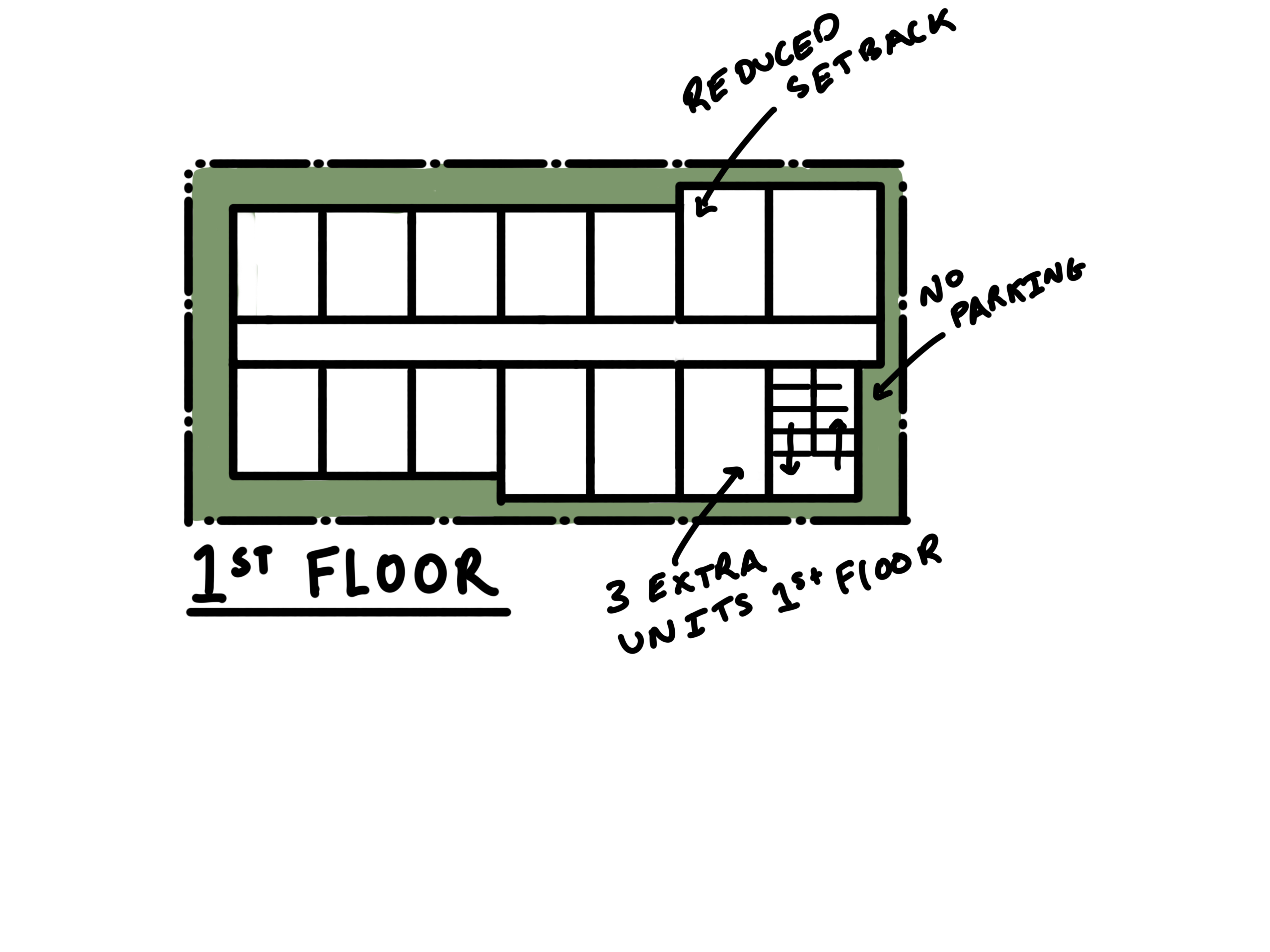
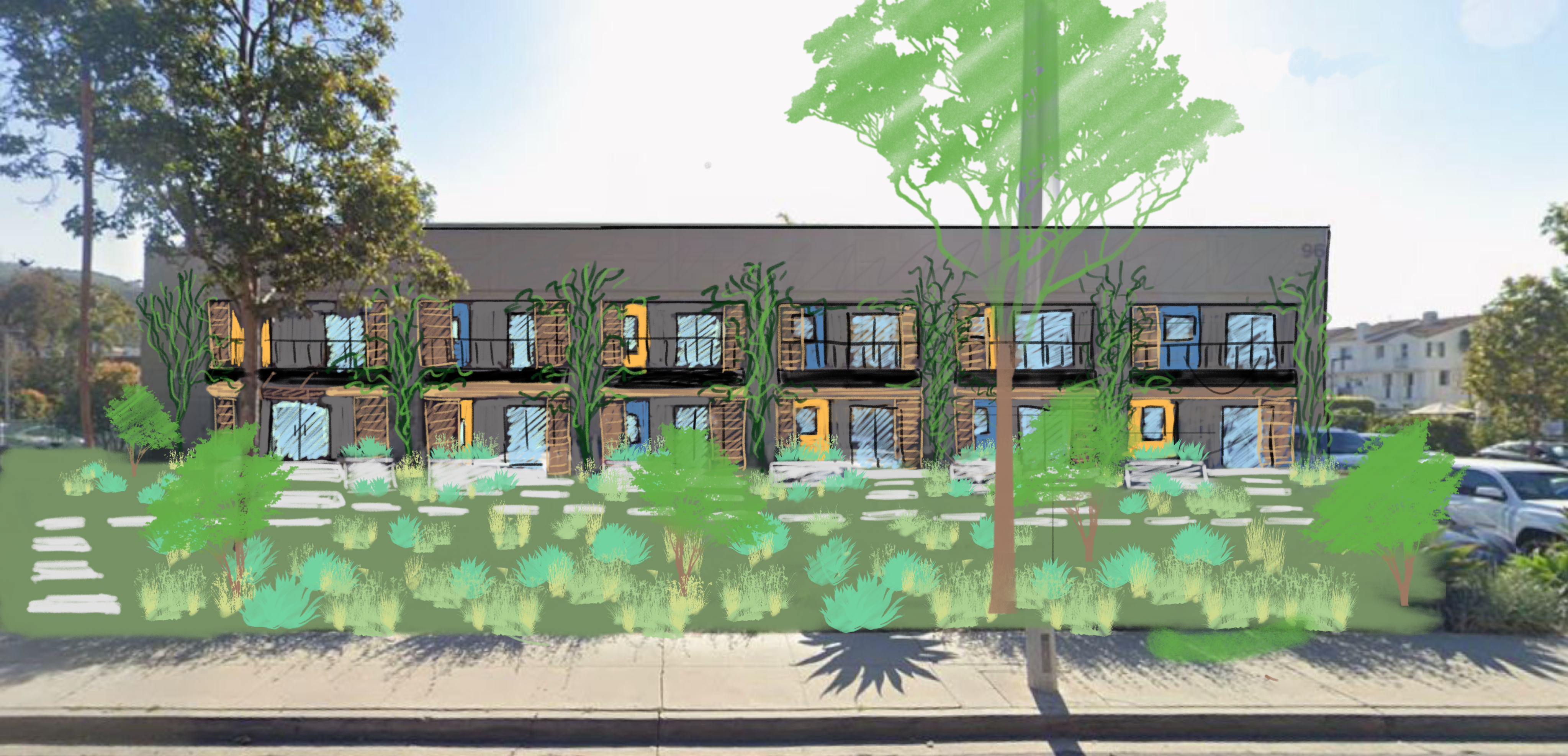
1st floor with bonus units and reduced setbacks
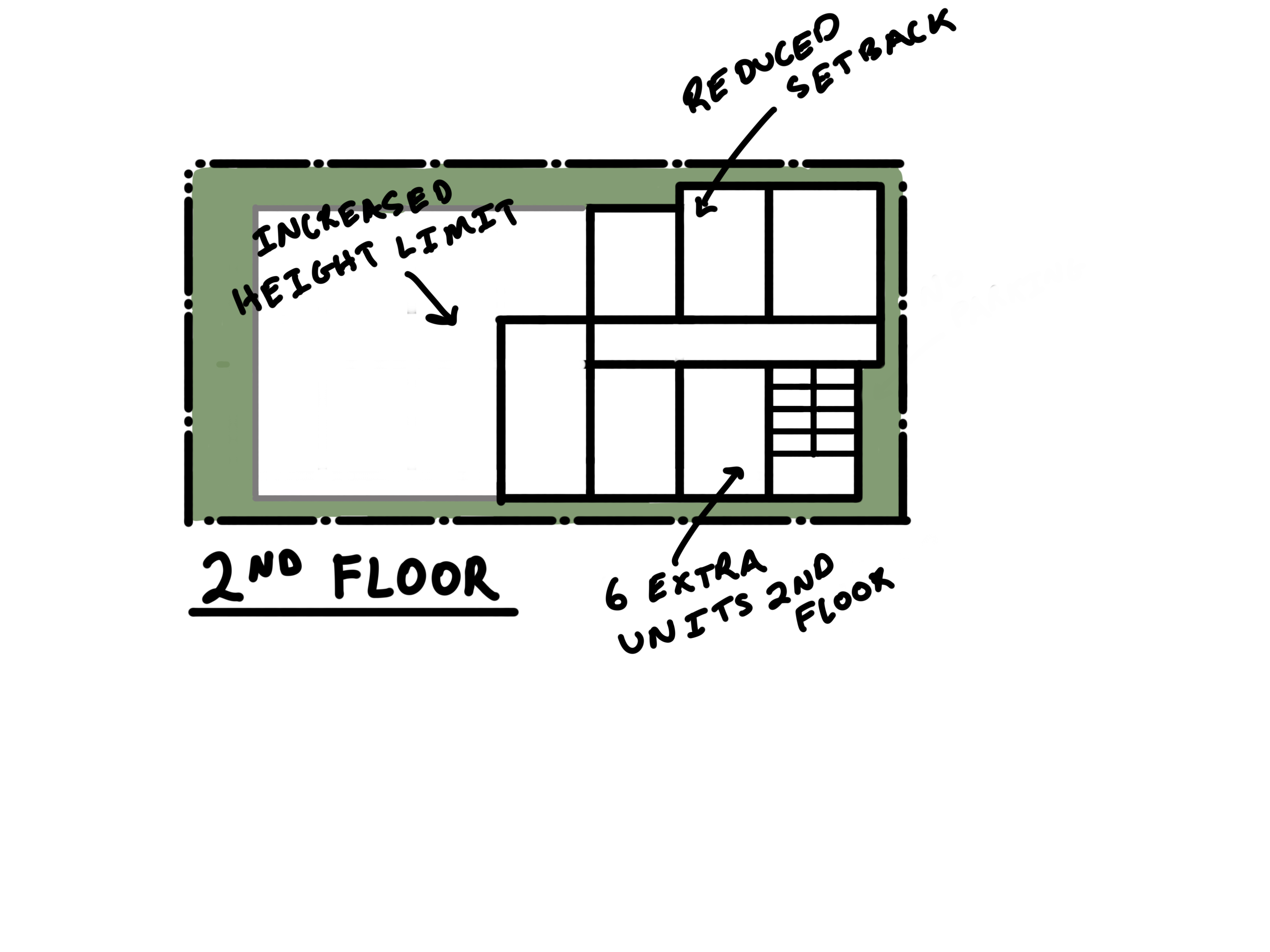
2nd floor plan
Density Bonus Law
Incentivizes the private development of deed-restricted affordable housing by offering:
Density bonus up to 138.75%
Incentives/concessions
Waivers or reductions in development standards
Reduced parking ratios
Applicable to 5+ unit projects
Keep scrolling
Adaptive Reuse
Local agencies must permit the conversion of existing commercial/industrial buildings to residential or mixed use where qualifying projects meet certain affordability requirements and labor standards.
Rental: 8% low-income + 5% extremely low income units, or 15% lower income units
Owner-occupied: 30% moderate income or 15% lower income units
Historic preservation standards apply to buildings older than 50 years
Requires ministerial approval of qualifying multifamily and mixed-use affordable housing projects in jurisdictions that have not made sufficient progress on their RHNA goals. Projects must meet criteria including:
Located on property meeting certain site conditions
Prevailing wage and trained workforce requirements for projects with >10 units